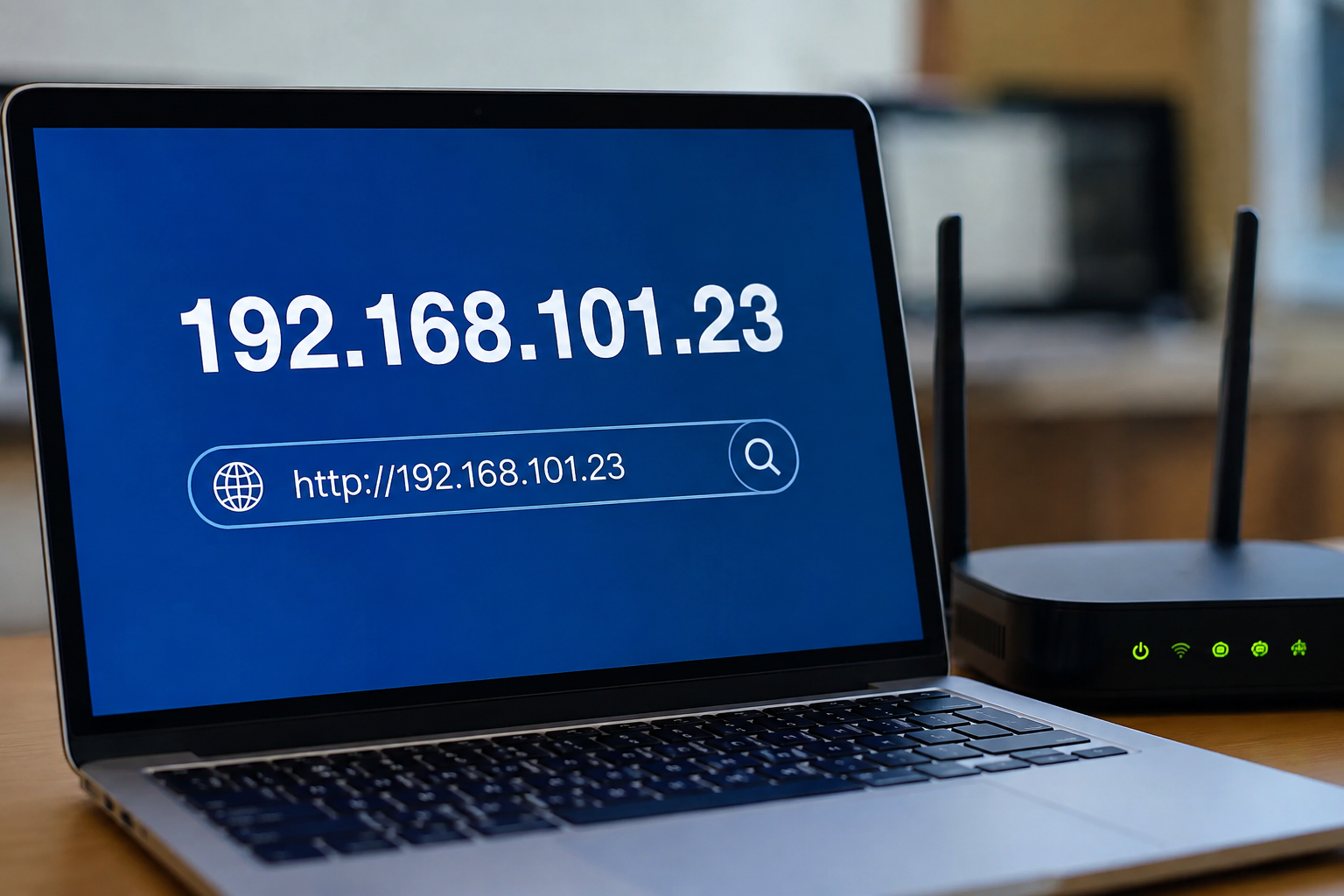
192.168.101.23: Understanding This Local IP Address 192. 168. 101. 23
A simple guide to accessing, troubleshooting, and securing 192.168.101.23

Introduction
The local keyword 192.168.101.23 refers to an IPv4 address that may be used by a device on a private home, office, or organizational network. Private IP addresses help routers and connected devices communicate with each other without exposing every device directly to the public internet.
Table of Contents
Toggle192. 168. 101. 23
If you have encountered 192.168.101.23 while checking your router, computer, printer, camera, or another network device, you may wonder what it means and how it is used. This guide explains the address, its purpose, common uses, connection issues, and basic security practices.
What Is 192.168.101.23?
192.168.101.23 is an IPv4 address within the 192.168.0.0 to 192.168.255.255 private address range. These addresses are reserved for internal networks.
Unlike a public IP address, a private IP generally cannot be reached directly from the internet. Instead, it identifies a device within a local network.
For example, a network might contain:
- Router: 192.168.101.1
- Laptop: 192.168.101.10
- Smartphone: 192.168.101.15
- Printer: 192.168.101.23
The exact assignment depends on the router’s configuration and DHCP settings.
Why Is 192.168.101.23 Used?
A local IP address allows devices on the same network to communicate. Depending on the network setup, 192.168.101.23 could be assigned to a computer, printer, smart TV, network camera, server, or another connected device.
The address itself does not identify the manufacturer or device type. You need to check your router’s connected-device list or the device’s network settings to determine which device is using it.
How to Access a Device at 192.168.101.23
If the address belongs to a device that provides a web-based management interface, you may be able to access it through a browser.
Enter the following into the browser’s address bar:
However, this will work only if:
- Your device is connected to the same local network.
- The target device is currently online.
- The device is actually using 192.168.101.23.
- A web management service is enabled.
- The correct protocol and port are being used.
Some devices use HTTPS instead:
A browser warning may appear if the device uses a self-signed security certificate.
192.168.101.23 Is Not Always a Router Address
It is important to understand that 192.168.101.23 is not automatically a router login address.
Many routers use addresses such as 192.168.0.1, 192.168.1.1, or another address chosen by the manufacturer or network administrator. A router could technically use 192.168.101.23, but this cannot be assumed simply from the address.
If you are trying to find your router’s management page, check your device’s default gateway rather than guessing an IP address.
How to Find Your Device’s IP Address
On Windows, you can open Command Prompt and run:
Look for the IPv4 Address and Default Gateway entries.
On Linux, you can use:
On macOS, network information can be viewed through System Settings or Terminal commands.
On phones and other devices, the IP address is usually available under the connected Wi-Fi network details.
Why 192.168.101.23 May Stop Working
There are several reasons why you may be unable to connect to this address.
The Device Is Offline
The device may be powered off, disconnected from Wi-Fi, or disconnected from Ethernet.
The IP Address Changed
If DHCP is enabled, your router may assign a different IP address after the device reconnects.
You Are on a Different Network
A private IP address normally works only within the network where it is assigned. If your computer is connected to another Wi-Fi network, you may not be able to reach 192.168.101.23.
Firewall Restrictions
A firewall on the target device or network can prevent incoming connections.
The Device Uses Another Port
A web service may not operate on the standard HTTP or HTTPS ports. In that situation, simply entering the IP address may not open the intended service.
How to Troubleshoot 192.168.101.23
Start with simple checks.
First, confirm that your computer and the target device are connected to the same network. Next, check your router’s client list to see whether 192.168.101.23 is currently assigned.
You can also test local connectivity with:
A successful response indicates that the device is reachable through the network, although it does not necessarily mean that a web interface is available.
If there is no response, verify the device’s current IP address and network connection before changing configuration settings.
Is 192.168.101.23 Safe?
The address itself is not dangerous. It is simply a private network address.
Security depends on the device and services operating behind the address. For example, if a router, camera, or server uses this IP, weak passwords or outdated software could create security problems.
For better protection:
- Use strong administrator passwords.
- Keep network devices updated.
- Disable unnecessary services.
- Avoid exposing device-management interfaces directly to the internet.
- Use secure Wi-Fi encryption.
- Review connected devices regularly.
- Change default credentials when setting up new equipment.
Static vs. Dynamic IP Addresses
192.168.101.23 can be assigned dynamically through DHCP or configured manually as a static address.
With DHCP, the router automatically assigns an available IP address. This is convenient but means the address can change.
With a static IP, the device keeps a specified address. This can be useful for printers, servers, cameras, and other devices that need a consistent local address.
Another option is a DHCP reservation, where the router consistently assigns the same address to a particular device while still managing the address centrally.
Conclusion
192.168.101.23 is a private IPv4 address designed for communication within a local network. It can belong to many different types of devices, and the address alone does not tell you whether it is a router, computer, printer, or another network device.
If you need to connect to a device using this address, first confirm that the device is online and that you are connected to the same network. Checking the router’s client list, verifying the current IP configuration, and testing connectivity can help identify most common problems.
Understanding private IP addresses such as 192.168.101.23 makes it easier to manage home and office networks while maintaining better security and reliability.