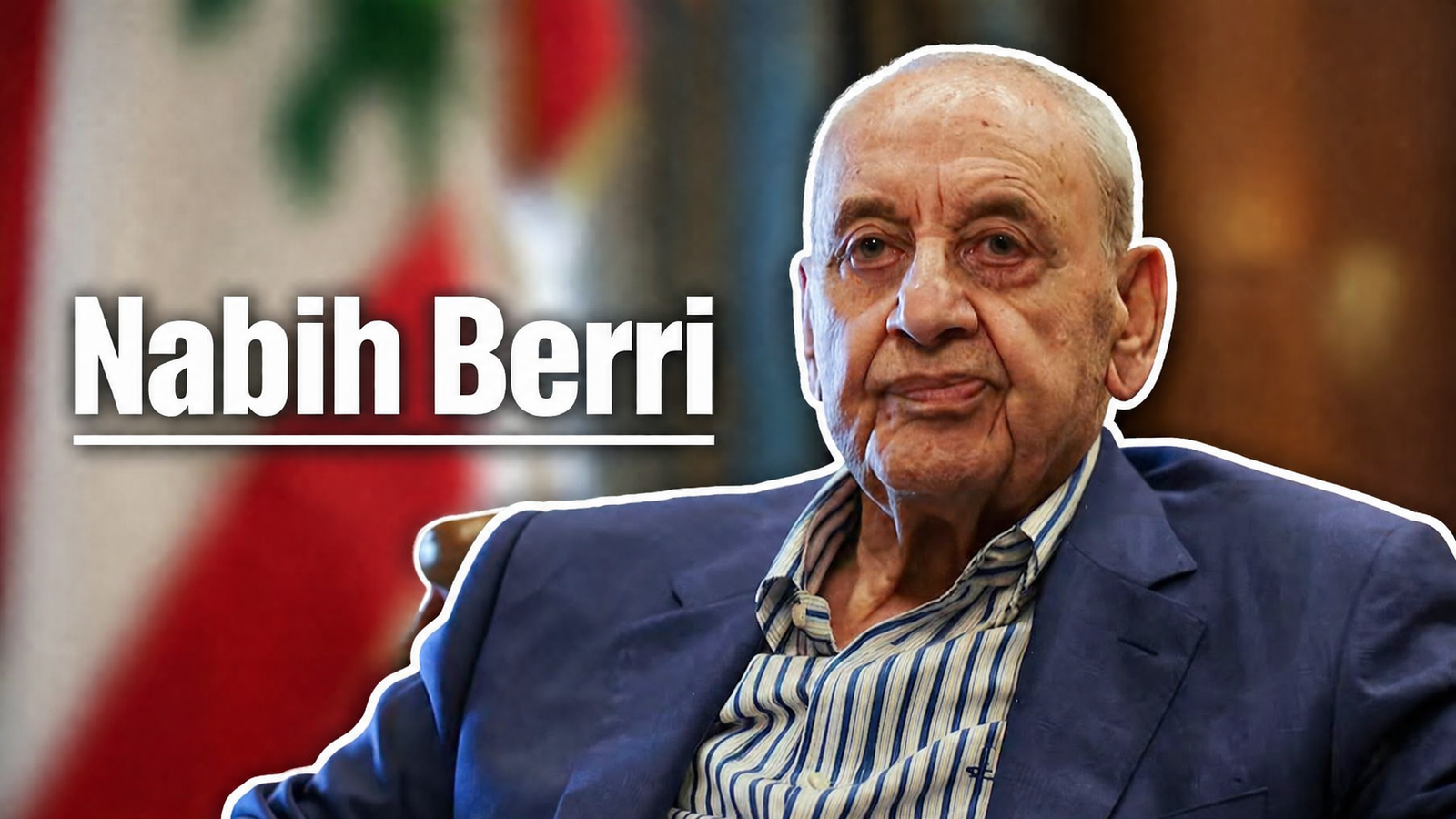
Nabih Berri: Powerful Political Legacy and Enduring Influence in Lebanon
A Respected Statesman Shaping Power, Debate, and National Politics

Nabih Berri is one of the most influential and recognizable political figures in modern Lebanon. Best known as the Speaker of the Parliament of Lebanon, he has played a central role in the country’s political landscape for decades. His long tenure in public office has made him a prominent figure in both domestic politics and regional affairs.
Table of Contents
ToggleWhile supporters view him as an experienced leader and skilled negotiator, critics often associate him with Lebanon’s traditional political establishment. Regardless of differing opinions, Berri’s impact on Lebanese politics is undeniable. His leadership of the Amal Movement and his position as Speaker of Parliament have ensured his place among the most significant political personalities in the Middle East.
Quick Bio
| Field | Details |
|---|---|
| Full Name | Nabih Mustafa Berri |
| Native Name | نبيه بري |
| Date of Birth | 28 January 1938 |
| Age | 88 (as of 2026) |
| Birthplace | Bo, Sierra Leone |
| Nationality | Lebanese |
| Religion | Shia Islam |
| Profession | Politician, Lawyer |
| Political Party | Amal Movement |
| Current Position | Speaker of the Parliament of Lebanon |
| Parliamentary Speakership Since | 1992 |
| Spouse | Randa Berri |
| Education | Lebanese University, Sorbonne |
Early Life and Family Background
Childhood and Family Origins
Nabih Berri was born on 28 January 1938 in Bo, Sierra Leone, to a Lebanese family with roots in southern Lebanon. His family originally came from the town of Tebnine, a region known for its strong cultural and historical significance within the country.
His father, Mustafa Berri, worked as a businessman and trader. Like many Lebanese families living abroad during that era, the family maintained close ties with their homeland. These connections played an important role in shaping Berri’s identity and future political outlook.
Growing Up Between Cultures
Although he was born in West Africa, Berri spent much of his youth connected to Lebanon. His exposure to different cultures and communities helped broaden his perspective at an early age.
The combination of an international birthplace and a strong Lebanese upbringing gave him a unique understanding of both local and global issues. This background later contributed to his ability to engage in political negotiations and leadership roles.
Education and Academic Journey
School Education
Berri attended several schools during his early years, including institutions in southern Lebanon and Beirut. His educational journey reflected his family’s commitment to learning and personal development.
He studied at respected schools such as Makassed School and École de la Sagesse. These institutions helped prepare him for higher education and future leadership responsibilities.
University Studies
After completing his secondary education, Berri enrolled at the Lebanese University, where he studied law. During his university years, he became actively involved in student affairs and eventually served as president of the student union.
His legal education provided him with valuable knowledge of governance, constitutional matters, and public administration. He also pursued advanced legal studies in Paris, further strengthening his academic foundation.
Career Beginnings
Entering the Legal Profession
Following his graduation, Nabih Berri began his professional career as a lawyer. His work in the legal field helped him gain experience in advocacy, negotiation, and public affairs.
The legal profession allowed him to develop skills that would later prove valuable in politics. His understanding of laws and institutions became a key part of his leadership style.
Early Political Activities
During the 1960s, Berri became involved in Arab nationalist politics. He participated in political discussions and movements that focused on social justice, national identity, and political reform.
His growing interest in public service eventually led him toward a full-time political career. This period marked the beginning of a journey that would transform him into one of Lebanon’s most influential leaders.
Rise in the Amal Movement
Leadership Role
Nabih Berri’s political influence expanded significantly through his involvement with the Amal Movement. The movement emerged as an important political and social force representing Lebanon’s Shia community.
In 1980, Berri became the leader of the Amal Movement. His leadership came during a challenging period in Lebanese history and required strong political and organizational skills.
Building Political Influence
As leader of Amal, Berri worked to strengthen the movement’s position within Lebanese politics. His ability to negotiate and build alliances helped increase the movement’s influence.
Under his leadership, Amal became one of the country’s most prominent political organizations. This achievement established Berri as a major national figure.
Career Timeline
Key Milestones in His Political Journey
| Year | Event |
|---|---|
| 1938 | Born in Bo, Sierra Leone |
| 1963 | Graduated in Law from Lebanese University |
| 1960s | Became active in Arab nationalist politics |
| 1970s | Joined the Movement of the Deprived |
| 1980 | Became Leader of the Amal Movement |
| 1984–1990 | Served in several ministerial positions |
| 1992 | Elected Speaker of the Parliament of Lebanon |
| 1992–Present | Continues serving as Speaker of Parliament |
Speaker of the Parliament of Lebanon
Historic Parliamentary Leadership
The position of Speaker of the Parliament of Lebanon is one of the country’s most important constitutional offices. Berri first assumed this role in 1992 and has remained in office through multiple parliamentary terms.
His long tenure reflects both his political influence and his ability to navigate Lebanon’s complex political environment. Over the years, he has become one of the world’s longest-serving parliamentary speakers.
Role in National Politics
As Speaker of Parliament, Berri oversees legislative sessions and plays a crucial role in political dialogue. He frequently acts as a mediator during periods of political tension.
His experience has allowed him to participate in many important national decisions. Whether dealing with constitutional issues or government formation, he remains a key figure in Lebanese public life.
Leadership Style and Public Image
Strengths as a Political Leader
Supporters describe Berri as a skilled negotiator with extensive political experience. They often highlight his ability to maintain dialogue among competing political groups.
His supporters also credit him with helping strengthen political representation for Lebanon’s Shia community and contributing to national stability during difficult periods.
Criticism and Challenges
Despite his achievements, Berri has also faced criticism. Some opponents argue that his long presence in politics reflects the persistence of Lebanon’s traditional political system.
Others believe political reforms have been slowed by the dominance of long-established leaders. These differing views have contributed to ongoing debates about his legacy.
Personal Life
Marriage and Family
Nabih Berri is married to Randa Berri. Throughout his political career, his family has remained an important part of his personal life.
Although he is a highly visible public figure, he generally keeps family matters away from public attention. As a result, only limited personal information is publicly available.
Personal Values
Berri has frequently emphasized national unity, political dialogue, and Lebanese sovereignty. His public statements often focus on stability and cooperation among different communities.
These values have influenced his approach to leadership and negotiation throughout his long political career.
Legacy and Historical Importance
Impact on Lebanese Politics
Nabih Berri’s influence on Lebanese politics spans more than four decades. Few political leaders have maintained such a significant role for such a long period.
His leadership of the Amal Movement and service as Speaker of the Parliament of Lebanon have made him a central figure in modern Lebanese history.
Lasting Political Significance
Whether viewed positively or negatively, Berri remains one of the most consequential politicians in Lebanon. His decisions and leadership have shaped many important political developments.
His long public service ensures that his legacy will continue to be discussed by historians, political analysts, and future generations.
Conclusion
Nabih Berri stands among the most influential political figures in Lebanon’s modern era. From his early years as a law student and lawyer to his leadership of the Amal Movement and his historic tenure as Speaker of the Parliament of Lebanon, he has played a major role in shaping the country’s political landscape.
His career has been marked by both praise and criticism, reflecting the complexities of Lebanese politics itself. Yet there is little doubt that Berri’s influence, experience, and political longevity have secured his place as one of the most significant leaders in contemporary Lebanese history.
FAQ
Who is Nabih Berri?
Nabih Berri is a Lebanese politician and the Speaker of the Parliament of Lebanon.
What is Nabih Berri’s full name?
His full name is Nabih Mustafa Berri.
When was Nabih Berri born?
He was born on 28 January 1938.
Where was Nabih Berri born?
He was born in Bo, Sierra Leone.
What is Nabih Berri’s nationality?
He is Lebanese.
What religion does Nabih Berri follow?
He follows Shia Islam.
Who is Nabih Berri’s wife?
His wife is Randa Berri.
What political party does Nabih Berri lead?
He leads the Amal Movement.
When did Nabih Berri become Speaker of Parliament?
He became Speaker of the Parliament of Lebanon in 1992.
What is Nabih Berri famous for?
He is famous for leading the Amal Movement and serving as Speaker of the Parliament of Lebanon for decades.