MFICR50: Understanding Its Meaning, Uses, and Key Features
A simple guide to MFICR50, its purpose, relevance, and practical considerations.

Introduction
The term MFICR50 may appear unfamiliar to many readers, especially when encountered in search results, technical documentation, product references, or online discussions. Like many specialized codes and identifiers, its meaning can depend heavily on the context in which it is used.
Table of Contents
ToggleFor people searching for MFICR50, the first step is understanding that a short alphanumeric term does not always provide enough information to identify one specific product, technology, or service. It may represent a model number, reference code, technical identifier, component designation, or another type of classification.
This article explains what users should consider when researching , how to verify information about it, and why accurate context matters.
What Is MFICR50?
MFICR50 is an alphanumeric term consisting of letters and numbers. Without a confirmed manufacturer, product category, or source document, it would be risky to assign one definitive meaning to the term.
In technical environments, identifiers such as are commonly used to distinguish particular models, components, versions, or references. A small difference in a code can point to an entirely different item, so checking the original source is important.
If you found on a product label, website, document, invoice, or technical specification, that surrounding information can help establish exactly what the code refers to.
Why Are Codes Like MFICR50 Important?
Reference codes make it easier for manufacturers, suppliers, technicians, and customers to identify specific items. Instead of repeatedly writing a long product name, companies can use a short identifier.
A code can potentially help with:
- Identifying a specific model
- Finding compatible components
- Checking technical specifications
- Locating product documentation
- Ordering replacement parts
- Comparing different versions
- Communicating with suppliers or support teams
However, users should avoid relying on the code alone when making an important purchasing or technical decision.
How to Research MFICR50
If you are trying to find reliable information about , start with the source where you discovered the term.
Check the Original Label
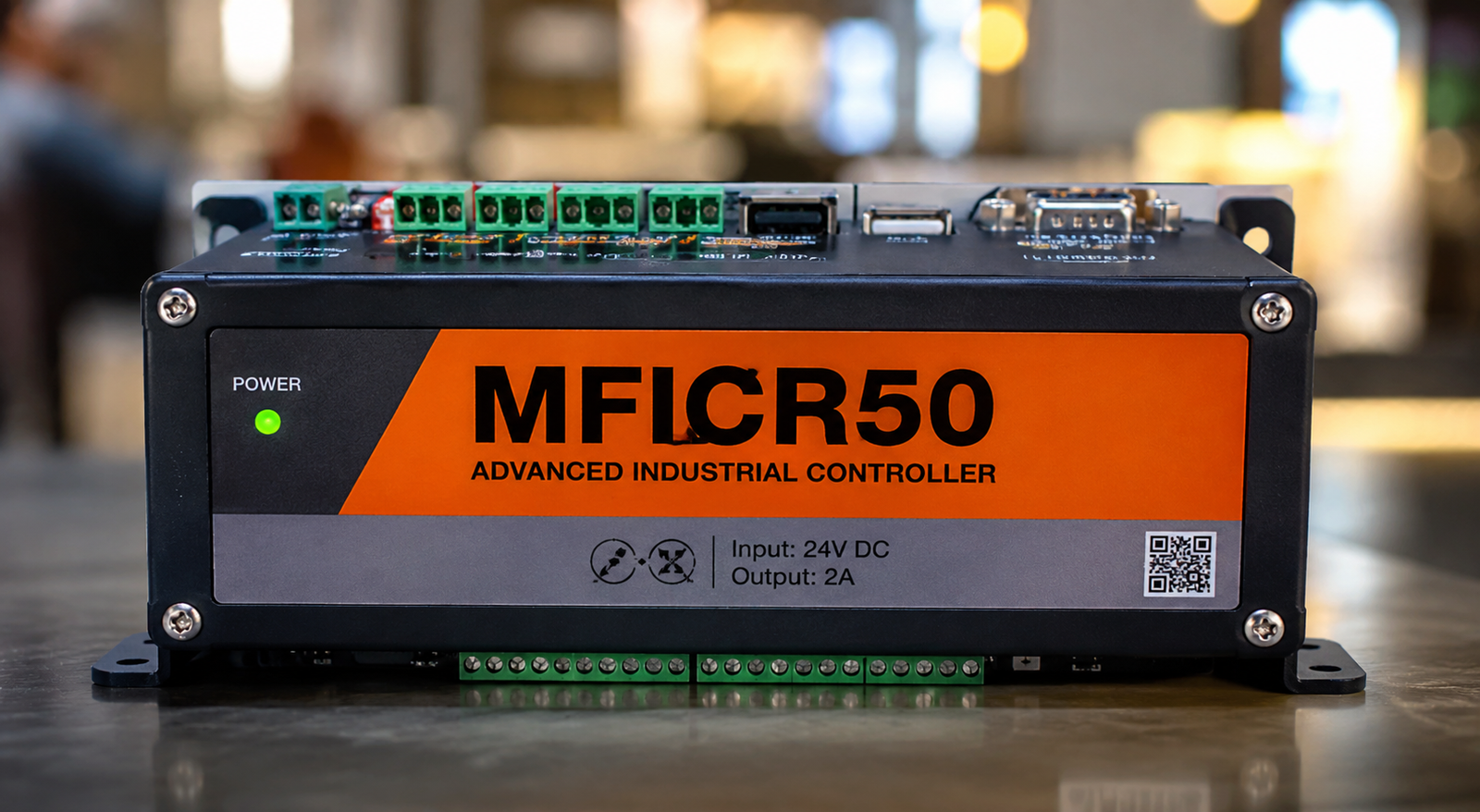
If appears on a physical item, inspect the entire label. Look for:
- Manufacturer name
- Model number
- Serial number
- Product category
- Voltage or power information
- Additional codes
Other information printed beside may provide the missing context.
Search the Complete Code
When searching online, use the exact spelling MFICR50. Avoid changing letters or numbers because similar identifiers can produce completely different results.
You can also search combinations such as:
- MFICR50 model
- MFICR50 specifications
- MFICR50 manual
- MFICR50 product
- MFICR50 manufacturer
Adding a relevant word can make search results much more useful.
Verify the Manufacturer
A manufacturer is one of the strongest clues for identifying an unfamiliar code. If a reliable manufacturer website lists , compare the model information with the item you have.
Pay attention to model variations because manufacturers may release similar versions for different markets.
Compare Technical Information
If refers to a technical product or component, compare available specifications carefully. Important details may include dimensions, compatibility, operating requirements, materials, connectivity, or other technical characteristics.
Never assume that two products are compatible simply because their codes look similar.
Possible Uses of MFICR50
The practical use of cannot be determined confidently without additional context. Depending on where the identifier originates, it could potentially be associated with a product, component, catalog reference, or technical system.
This is why responsible research is more useful than guessing. A reliable identification should ideally be supported by at least one authoritative source, such as a manufacturer’s documentation, official catalog, or product label.
Things to Consider Before Buying
If you encountered while looking for something to purchase, do not make a decision based solely on the code.
Before ordering, check:
Compatibility
Make sure the item works with your existing equipment or system.
Specifications
Review the complete technical specifications rather than relying on a short model identifier.
Supplier Reliability
Purchase from a reputable seller whenever possible and check whether the seller provides accurate product information.
Warranty and Support
For technical products, warranty coverage and manufacturer support can be just as important as the product itself.
Product Version
Check whether the listing refers to the exact version you need. Similar-looking model numbers can have different specifications.
Common Mistakes When Searching MFICR50
One common mistake is assuming that every search result containing refers to the same item. Search engines can combine unrelated results when a code is uncommon.
Another mistake is overlooking characters. For example, confusing the number 0 with the letter O, or changing the order of characters, can lead to incorrect results.
Users should also be cautious about websites that provide detailed claims without identifying a manufacturer or credible source.
Why Accurate Identification Matters
Correctly identifying an unfamiliar code can save time and prevent costly mistakes. Whether relates to hardware, software, electronics, machinery, or another category, the exact identification determines how the item should be used or purchased.
For businesses and technicians, accurate model identification can also make replacement and maintenance easier. For ordinary consumers, it can help ensure that the product they order matches their actual requirements.
Conclusion
MFICR50 is a distinctive alphanumeric identifier, but the code alone does not provide enough verified context to establish one specific meaning. The safest approach is to examine the original source, identify the manufacturer or product category, and then confirm the relevant specifications.
If you are researching online, use the exact code together with descriptive terms such as model, manual, specifications, or manufacturer. Most importantly, verify information through reliable documentation before purchasing, installing, or using any item associated with the identifier.