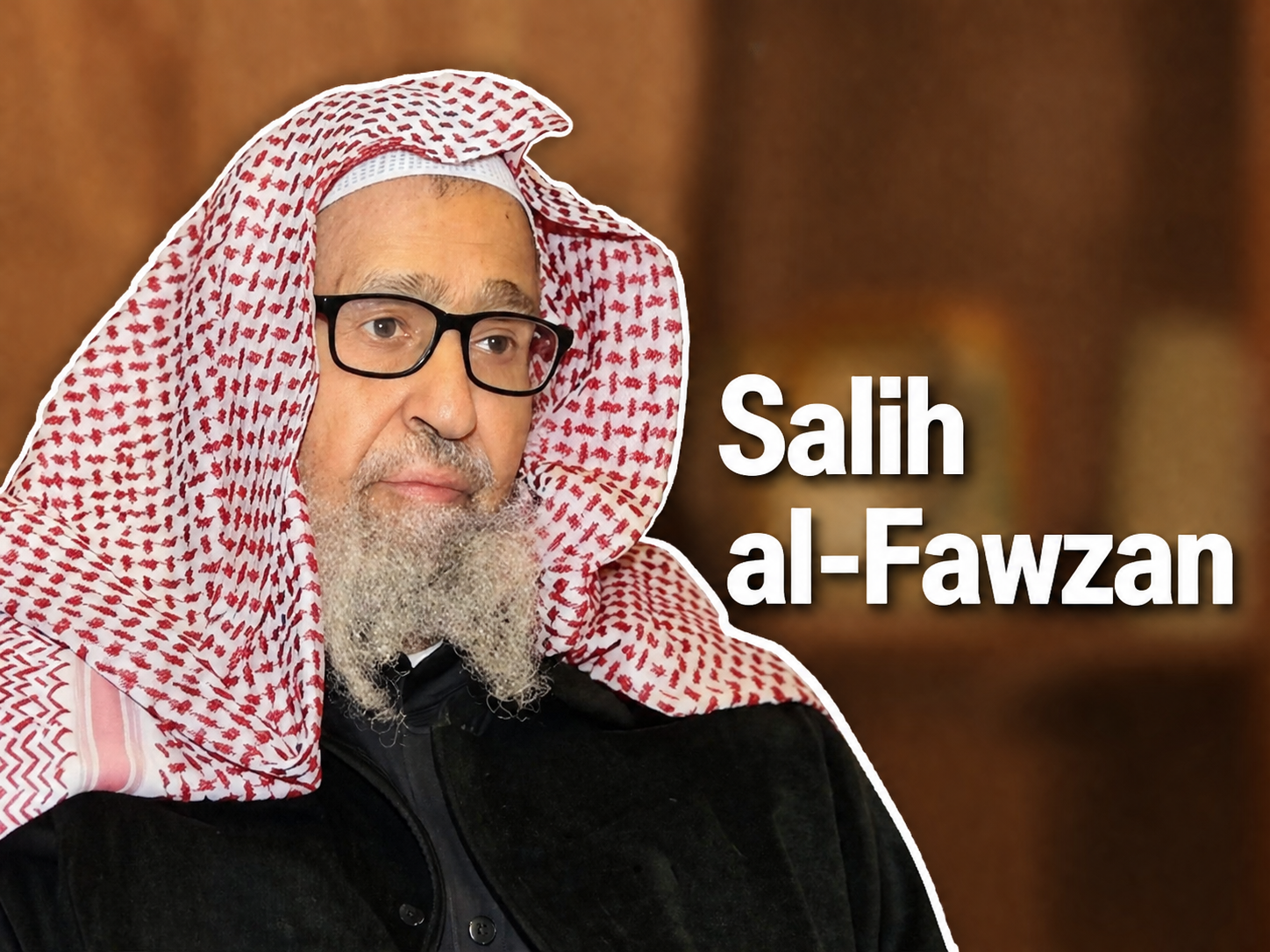
Salih al-Fawzan Biography: Influential Saudi Scholar, Respected Yet Controversial
Exploring the Life, Education, Career, and Lasting Religious Influence

Salih al-Fawzan is one of the most prominent Islamic scholars in the contemporary Muslim world. Known for his extensive knowledge of Islamic jurisprudence, theology, and religious education, he has spent decades serving as a teacher, author, jurist, and religious leader. His scholarly work has influenced countless students, academics, and religious institutions across Saudi Arabia and beyond.
Table of Contents
ToggleAs a leading Saudi scholar, Salih al-Fawzan has earned recognition for his commitment to traditional Islamic teachings and his role in shaping religious discourse. While many admire his dedication to preserving classical Islamic scholarship, some of his views have also sparked debate, making him a respected yet occasionally controversial figure in modern religious discussions.
Quick Bio
| Field | Details |
|---|---|
| Full Name | Saleh bin Fawzan bin Abdullah Al-Fawzan |
| Arabic Name | صالح بن فوزان بن عبد الله الفوزان |
| Known As | Salih al-Fawzan |
| Date of Birth | 28 September 1935 |
| Age | 90 (as of 2026) |
| Birthplace | Ash-Shamasiyyah, Al-Qassim, Saudi Arabia |
| Nationality | Saudi Arabian |
| Religion | Islam (Sunni) |
| Profession | Islamic Scholar, Jurist, Author, Educator |
| Languages | Arabic |
| Marital Status | Married |
| Famous For | Islamic Scholarship and Religious Leadership |
| Current Position | Grand Mufti of Saudi Arabia |
Early Life and Family Background
Childhood in Al-Qassim
Salih al-Fawzan was born in Ash-Shamasiyyah, a town located in the Al-Qassim region of Saudi Arabia. He grew up in a traditional environment where religion and education played an important role in everyday life. His early years were shaped by the values of faith, discipline, and learning that later defined his career.
His father passed away when he was still young, creating a significant challenge during his childhood. Despite this hardship, he continued his education and focused on religious studies, demonstrating determination and dedication from an early age.
Family Influence on His Development
The family environment in which Salih al-Fawzan was raised encouraged respect for Islamic teachings and moral values. These influences helped nurture his interest in religious scholarship and inspired him to pursue a path of lifelong learning.
Although limited public information is available regarding other family members, it is clear that his upbringing played a vital role in shaping his character and future achievements as a renowned Saudi scholar.
Education and Academic Journey
Early Schooling
Salih al-Fawzan began his formal education in local schools before advancing to more specialized Islamic institutions. He attended Al-Faysaliyyah School in Buraydah, where he completed an important stage of his academic development.
His passion for learning became evident during these years. He consistently focused on religious sciences while building a strong foundation in traditional education.
Advanced Islamic Studies
After completing his early studies, he enrolled at the Institute of Knowledge in Buraydah. This institution helped him deepen his understanding of Islamic subjects and prepared him for higher education.
He later joined the College of Sharia in Riyadh, where he earned his degree in Islamic studies. Continuing his academic journey, he obtained a master’s degree and later a doctorate in Islamic jurisprudence, establishing himself as a highly qualified scholar.
Influential Teachers and Mentors
One of the most influential figures in his educational life was Sheikh Abdulaziz ibn Baz. Learning from respected scholars provided him with valuable insights into Islamic law and theology.
These mentorship experiences helped shape his scholarly methodology and strengthened his commitment to preserving traditional Islamic teachings.
Career as a Saudi Scholar
Beginning of His Professional Career
Before becoming a globally recognized religious figure, Salih al-Fawzan worked as a teacher. This early professional experience allowed him to develop communication and educational skills that would benefit him throughout his career.
His dedication to teaching reflected his belief that knowledge should be shared widely. This principle became a central theme of his professional life.
Academic and Judicial Roles
As his reputation grew, he assumed various academic positions within Saudi educational institutions. He served as a university lecturer and later became a professor of Islamic studies.
His expertise also led to leadership roles within judicial and educational organizations. These responsibilities allowed him to contribute to the development of future scholars, judges, and researchers.
Religious Leadership
Salih al-Fawzan eventually became a member of the Council of Senior Scholars, one of the most influential religious bodies in Saudi Arabia. He also served on the Permanent Committee for Scholarly Research and Ifta.
These positions placed him among the leading voices in Islamic jurisprudence. Through religious rulings, lectures, and publications, he contributed significantly to contemporary Islamic scholarship.
Appointment as Grand Mufti
A Historic Achievement
In 2025, Salih al-Fawzan was appointed Grand Mufti of Saudi Arabia. This position represents the highest religious authority in the country and carries substantial responsibility.
His appointment reflected decades of scholarly service and dedication to Islamic education. It also marked one of the most important milestones in his distinguished career.
Responsibilities in the Role
As Grand Mufti, he provides religious guidance on important matters affecting society and Islamic practice. His opinions and scholarly contributions continue to influence religious discussions within Saudi Arabia and internationally.
The role requires deep knowledge, leadership skills, and a commitment to addressing complex religious questions.
Books and Scholarly Contributions
Influential Publications
Salih al-Fawzan has authored numerous books on Islamic jurisprudence, theology, and religious practice. His writings are widely studied in educational institutions and by individuals seeking deeper religious knowledge.
Among his most recognized works are Al-Mulakhkhas al-Fiqhi and I’anat al-Mustafid. These publications have contributed to his reputation as an authoritative voice in Islamic scholarship.
Impact of His Written Work
His books are valued for their detailed explanations of Islamic principles and legal rulings. Readers often appreciate the clarity and structure of his scholarly approach.
Through these works, he has helped preserve traditional Islamic knowledge while educating new generations of students and researchers.
Career Timeline
| Year | Milestone |
|---|---|
| 1935 | Born in Ash-Shamasiyyah, Saudi Arabia |
| 1952 | Graduated from Al-Faysaliyyah School |
| 1952 | Began teaching career |
| 1958 | Graduated from the Institute of Knowledge |
| 1962 | Graduated from the College of Sharia |
| Following Years | Earned Master’s Degree |
| Following Years | Earned PhD in Islamic Jurisprudence |
| Later Career | Became Professor and Academic Leader |
| Later Career | Joined Council of Senior Scholars |
| 2025 | Appointed Grand Mufti of Saudi Arabia |
Public Image and Influence
Respect and Recognition
Many Muslims view Salih al-Fawzan as a highly respected authority on Islamic law and theology. His long career, educational achievements, and scholarly publications have earned him widespread recognition.
Supporters often praise his consistency, discipline, and dedication to preserving traditional religious teachings.
Debates and Criticism
Like many influential religious figures, Salih al-Fawzan has also faced criticism regarding some of his views and interpretations. Certain opinions have generated public discussion and debate.
Despite differing perspectives, his influence on contemporary Islamic scholarship remains significant and continues to shape religious discourse.
Legacy and Lasting Impact
Educational Influence
One of Salih al-Fawzan’s greatest contributions is his role in educating students and future scholars. Through teaching, mentoring, and writing, he has helped transmit Islamic knowledge across generations.
His educational legacy continues through the institutions, scholars, and readers influenced by his work.
Contribution to Islamic Scholarship
As a leading Saudi scholar, Salih al-Fawzan has dedicated his life to the study and teaching of Islam. His scholarly efforts have strengthened religious education and enriched Islamic intellectual traditions.
His influence is expected to remain significant for many years due to the lasting value of his writings and teachings.
Conclusion
Salih al-Fawzan stands among the most influential Islamic scholars of the modern era. From his humble beginnings in Al-Qassim to his appointment as Grand Mufti of Saudi Arabia, his journey reflects dedication, perseverance, and scholarly excellence. His achievements in education, religious leadership, and publishing have established him as a respected figure in the Muslim world.
Although some of his views have generated debate, his impact on Islamic jurisprudence and religious education is undeniable. As a distinguished Saudi scholar, Salih al-Fawzan continues to shape contemporary Islamic thought through his teachings, writings, and leadership.
FAQ
Who is Salih al-Fawzan?
A Saudi Islamic scholar, jurist, author, and religious leader.
What is Salih al-Fawzan’s full name?
Saleh bin Fawzan bin Abdullah Al-Fawzan.
When was Salih al-Fawzan born?
He was born on 28 September 1935.
Where was Salih al-Fawzan born?
Ash-Shamasiyyah in Al-Qassim Province, Saudi Arabia.
What religion does Salih al-Fawzan follow?
He follows Sunni Islam.
Is Salih al-Fawzan married?
Yes, he is publicly reported to be married.
What is Salih al-Fawzan famous for?
He is famous for Islamic scholarship and religious leadership.
What language does Salih al-Fawzan speak?
Arabic.
What position does Salih al-Fawzan currently hold?
He serves as the Grand Mufti of Saudi Arabia.
What are Salih al-Fawzan’s notable books?
Al-Mulakhkhas al-Fiqhi and I’anat al-Mustafid.