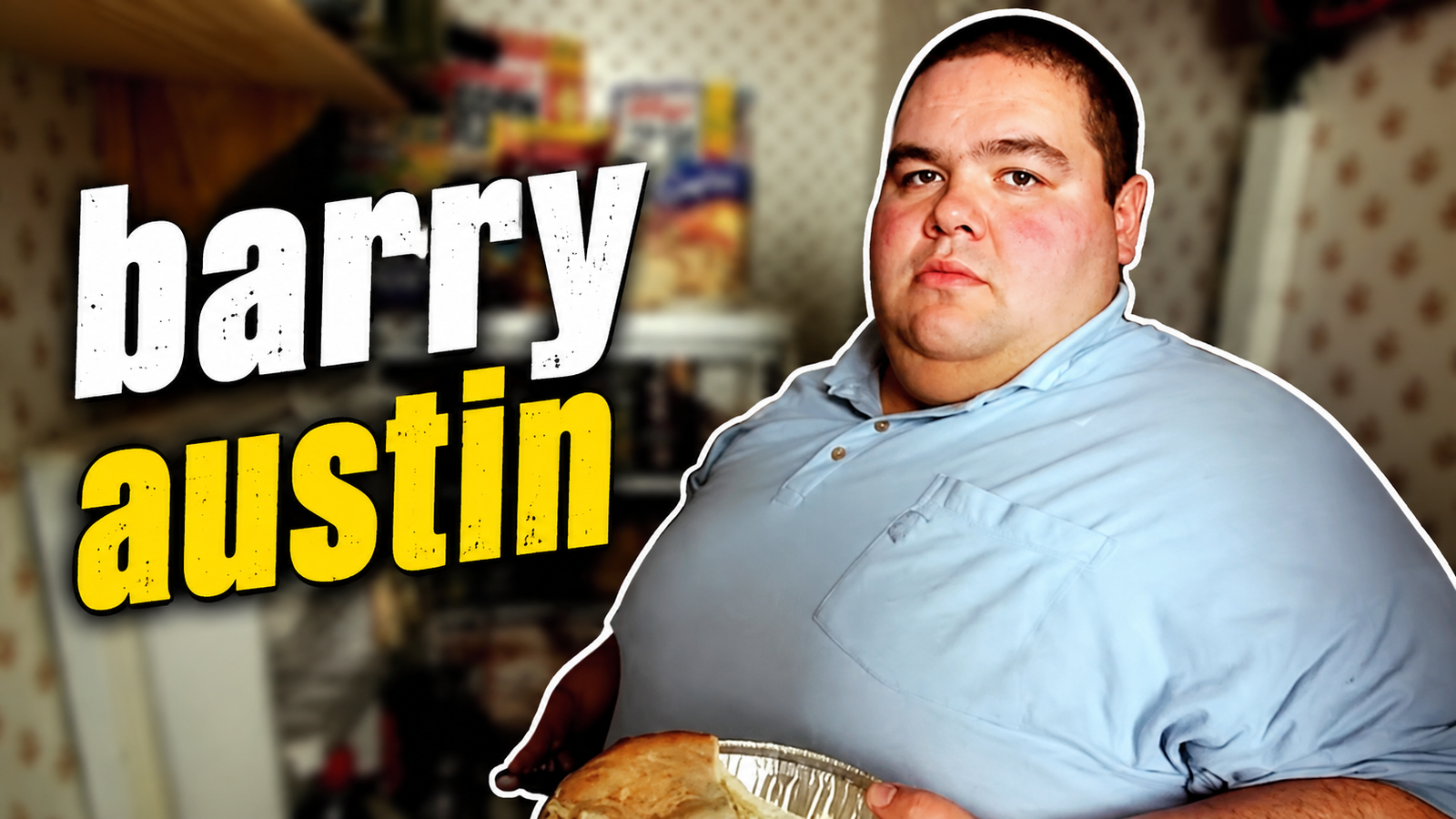
Barry Austin: Powerful Story of Television Fame and Resilience
The Birmingham-born television personality remembered for his extraordinary life, weight-loss journey, and screen appearances.

Barry Austin was a British television personality and actor who became widely known through documentaries about extreme obesity. Born in Birmingham on 17 September 1968, he attracted national attention because of his extraordinary weight and his appearances on British television. His story eventually became more than a headline about size, as he openly discussed the challenges that affected his health, employment, mobility, and everyday life.
Table of Contents
ToggleAustin became particularly recognizable through Inside Britain’s Fattest Man and later appeared as Big Brian in the television drama The Fattest Man in Britain. Although the media frequently described him as Britain’s “fattest man,” this was not an official Guinness World Records title. His life included difficult periods as well as determined attempts to improve his health, making his story one of struggle, public attention, and personal change.
Quick Bio
| Category | Details |
|---|---|
| Full Name | Barry Austin |
| Nickname | Fat Baz |
| Date of Birth | 17 September 1968 |
| Birthplace | Birmingham, England |
| Nationality | British |
| Profession | Television personality and actor |
| Known For | Television appearances and extreme weight |
| Major Documentary | Inside Britain’s Fattest Man |
| Acting Role | Big Brian in The Fattest Man in Britain |
| Football Club | Birmingham City |
| Date of Death | 1 January 2021 |
| Age at Death | 52 |
| Place of Death | Birmingham, England |
| Reported Cause of Death | Heart attack |
Early Life and Family Background
Barry Austin was born in Birmingham, England, in 1968. According to published biographical reporting, he weighed less than four pounds at birth despite being born full-term and spent several weeks in an incubator. His weight increased considerably during childhood, eventually becoming a defining part of his adult life and public identity.
Austin grew up with two brothers and a sister. His father was described in contemporary reporting as a trades-union leader and Labour councillor, while his mother was also described as being large. Austin developed an interest in sport while young, particularly football and rugby, and his competitive nature remained noticeable throughout his later life.
Education and Childhood Interests
Austin’s childhood was strongly connected with sport. He enjoyed football and played rugby at school, although his increasing weight eventually affected his ability to continue participating at the same level. His early interest in competition became an important part of the personality later seen by television audiences.
There is limited reliable public information about his higher education, academic qualifications, or specific schools. Rather than adding uncertain details, it is more accurate to focus on the documented aspects of his childhood. His early experiences with sport and his rapid weight gain were significant developments in the story that later made him nationally recognizable.
Career Before Television
Before becoming famous, Austin worked in the motor industry and eventually reached a regional management position. His professional life therefore began outside entertainment, and he had experience in a conventional business environment before television brought him widespread attention.
Austin later worked as a taxi driver. His increasing size eventually created practical problems in his working life, and insurance concerns contributed to the end of his taxi-driving career. This period demonstrated how his weight affected not only his health but also his ability to maintain ordinary employment.
Rise to Television Fame
Austin’s national profile developed through television programs focusing on extremely overweight people. He became associated with the public discussion surrounding Britain’s heaviest men and was frequently described by the media as “Britain’s fattest man.” The phrase became closely associated with his public identity.
However, it is important to understand that this description was not an official Guinness World Records title. Austin’s fame came primarily from television exposure, newspaper coverage, and the public fascination with his unusual circumstances rather than from holding an officially recognized national record.
Inside Britain’s Fattest Man
One of the most important moments in Austin’s public career came with the 2005 documentary Inside Britain’s Fattest Man. The program examined his daily life, eating habits, physical condition, and the serious consequences associated with his extreme weight.
The documentary brought Austin into direct contact with medical professionals and gave viewers a detailed look at the difficulties he faced. It also became a turning point because the experience encouraged him to think seriously about changing his lifestyle and reducing his weight.
Weight-Loss Journey
Austin made major attempts to lose weight after receiving increased medical attention. Contemporary reports described an extraordinary reduction in his food intake, from an estimated 29,000 calories a day during his most extreme period to approximately 1,500 calories during one major dieting effort.
His weight-loss efforts were difficult, but they demonstrated a positive determination to change. Later reports indicated that his weight had fallen substantially. His journey also showed the negative side of extreme obesity, including mobility difficulties, health complications, and limitations in ordinary activities.
Personal Life and Relationships
Public reporting connected Barry Austin with Debbie Kirby. Reports described their relationship and plans for marriage, while also discussing the effect of Austin’s public image on family life. These reports provide the main publicly documented information about his personal relationship.
Austin’s personal story was often presented alongside his television career, but he was also known locally for his strong connection to Birmingham. His relationship with Birmingham City Football Club was especially important, and football remained one of the most recognizable interests associated with his public life.
Birmingham City Support
Barry Austin was a passionate Birmingham City supporter and was widely recognized as a lifelong fan. His weight created practical challenges when he attended football matches, but his connection with the club remained strong.
After his death, tributes from Birmingham City supporters highlighted the importance of the club in his life. This part of Austin’s identity provided another dimension to his public image beyond television and his weight.
Acting Career
Austin moved beyond documentary appearances and took part in scripted entertainment. In 2009, he appeared in the ITV comedy-drama The Fattest Man in Britain, playing the character Big Brian.
He also received an acting credit for the 2010 film Just for the Record, where he was credited as a karate fighter. Although acting was not the central focus of his career, these appearances demonstrated how his television fame opened opportunities beyond documentary programming.
Career Timeline
- 1968: Barry Austin was born in Birmingham, England.
- Childhood: He developed interests in football and rugby and gained weight rapidly.
- Early Career: He worked in the motor industry.
- Later Career: He became a taxi driver.
- Early 2000s: He gained wider attention through television coverage.
- 2005: He appeared in Inside Britain’s Fattest Man.
- 2005: He began a major weight-loss effort.
- 2009: He appeared as Big Brian in The Fattest Man in Britain.
- 2010: He appeared in Just for the Record.
- 2021: He died in Birmingham at age 52.
Positive and Negative Aspects of His Public Story
A positive aspect of Austin’s story was his willingness to speak publicly about his struggles. His weight-loss attempts showed determination, while his television appearances gave audiences an opportunity to understand the serious difficulties associated with extreme obesity.
The negative side was that his enormous weight caused substantial health and practical problems. It affected his employment, mobility, daily activities, and overall quality of life. His story therefore illustrates both the attention that fame can bring and the serious personal challenges behind sensational headlines.
Death and Legacy
Barry Austin died on 1 January 2021 in Birmingham at the age of 52. His reported cause of death was a heart attack. His death was followed by tributes from people connected with his life, including Birmingham City supporters who remembered his strong devotion to the club.
Austin’s legacy remains connected with British television and the public discussion surrounding extreme obesity. He was not simply a media headline; his life included employment, family relationships, sporting interests, television work, acting, and repeated efforts to improve his health.
Conclusion
Barry Austin became a recognizable British television personality because of circumstances that made his life highly unusual. From his Birmingham childhood and early working life to documentary appearances and acting, his journey developed far beyond the simple label attached to him by the media.
His story contains both positive and difficult lessons. His determination to lose weight demonstrated a desire for change, while his health and employment difficulties showed the serious consequences of extreme obesity. Remembered for television, Birmingham City, and his public weight-loss journey, Barry Austin remains a distinctive figure in British popular culture.
FAQ
Who was Barry Austin?
Barry Austin was a British television personality and actor from Birmingham who became famous for his extreme weight and television appearances.
When was Barry Austin born?
Barry Austin was born on 17 September 1968 in Birmingham, England.
What was Barry Austin famous for?
He became famous for television documentaries about extreme obesity and was widely called Britain’s “fattest man.”
Did Barry Austin have a family?
Yes, public reporting states that he had two brothers and a sister and provides information about his parents.
Who was Barry Austin’s partner?
Public reports connected Barry Austin with Debbie Kirby and discussed their relationship and marriage plans.
Was Barry Austin a Birmingham City supporter?
Yes, he was a passionate Birmingham City supporter and was remembered by the club’s supporters after his death.
What television program made Barry Austin famous?
Inside Britain’s Fattest Man, broadcast in 2005, was one of his most important television appearances.
What role did Barry Austin play in The Fattest Man in Britain?
He played Big Brian in the 2009 ITV comedy-drama.
When did Barry Austin die?
Barry Austin died on 1 January 2021 at the age of 52.
What was Barry Austin’s reported cause of death?
His reported cause of death was a heart attack.