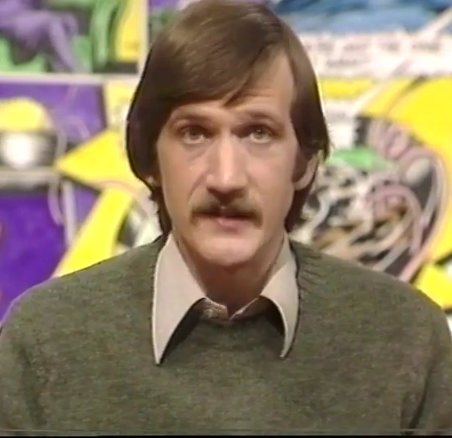
Barry Hines: Powerful Stories, Lasting Legacy, Triumph and Struggle
The celebrated Author and playwright who transformed working-class stories into lasting literature, while revealing the difficult realities of life in South Yorkshire.

Introduction
Barry Hines was an English novelist, screenwriter, and playwright whose writing became closely associated with working-class life in South Yorkshire. Born on 30 June 1939 in Hoyland Common near Barnsley, he drew heavily on his experiences of mining communities, education, football, unemployment, and everyday family life.
Hines became internationally recognized through A Kestrel for a Knave and its famous film adaptation, Kes. His career also included important television and theatre work, most notably Threads, while his novels established him as an influential Author and playwright whose work explored social realities with honesty and compassion.
Quick Bio
| Detail | Information |
|---|---|
| Full Name | Melvin Barry Hines |
| Known As | Barry Hines |
| Date of Birth | 30 June 1939 |
| Birthplace | Hoyland Common, South Yorkshire, England |
| Nationality | British |
| Profession | Novelist, playwright, screenwriter |
| Famous For | A Kestrel for a Knave and Kes |
| First Novel | The Blinder |
| Major Television Work | Threads |
| Education | Ecclesfield Grammar School and Loughborough |
| Died | 18 March 2016 |
| Age at Death | 76 |
| Spouse | Eleanor Mulvey was his second wife |
| Children | Two children from his first marriage |
Early Life and Family Background
barry hines grew up in Hoyland Common, a South Yorkshire community strongly connected with coal mining. His father was a miner, and the environment around him later became an important influence on his writing, giving him firsthand knowledge of working-class communities and the pressures faced by families in industrial areas.
Hines attended Ecclesfield Grammar School and developed a strong interest in football during his youth. In 1957, he was selected for the England Grammar Schools football team, an achievement that reflected his ability as a young player and became an important part of his early life.
Education and Early Career
After leaving school, Hines worked for the National Coal Board as an apprentice mining surveyor. The experience exposed him directly to the mining industry, a world that later appeared repeatedly in his novels, television dramas, and other writing.
He eventually returned to education and studied physical education at Loughborough. After completing his training, he became a teacher and worked in London before returning to South Yorkshire, where his experiences in education provided further inspiration for his writing.
Career as an Author and Playwright
Hines published his first novel, The Blinder, in 1966. The story focused on football and demonstrated how his sporting experiences could be transformed into fiction, establishing an early connection between his personal background and his literary work.
His major breakthrough came with A Kestrel for a Knave, published in 1968. The novel introduced Billy Casper, a working-class schoolboy whose relationship with a kestrel gives him a sense of purpose, and it became the foundation for Hines’s best-known film collaboration.
A Kestrel for a Knave and Kes
A Kestrel for a Knave remains Barry Hines’s best-known novel. Its story was influenced partly by his younger brother Richard, who had experience training a kestrel, while Hines also drew upon his teaching career and knowledge of young people in South Yorkshire.
The novel was adapted into the 1969 film Kes, directed by Ken Loach. Hines worked on the screenplay, and the film became an important example of British social realism, bringing his depiction of working-class Yorkshire life to a much wider audience.
Major Books and Screen Works
Hines continued writing novels after A Kestrel for a Knave. His published novels included First Signs, The Gamekeeper, The Price of Coal, Looks and Smiles, Unfinished Business, The Heart of It, and Elvis Over England.
His career also expanded into television, theatre, and screenwriting. His notable works included The Price of Coal, Looks and Smiles, Threads, Billy’s Last Stand, Speech Day, Two Men from Derby, and Shooting Stars, demonstrating his versatility across different forms of storytelling.
Threads and Television Success
One of Hines’s most important television achievements was Threads, broadcast by the BBC in 1984. The drama examined the devastating consequences of nuclear war through the experiences of people living in Sheffield, presenting a deeply serious story about ordinary families facing extraordinary circumstances.
Threads received major recognition, including the BAFTA award for Best Single Drama. The work strengthened Hines’s reputation as a writer capable of examining major social and political issues through the lives of ordinary people.
Writing Style and Themes
Barry Hines frequently wrote about working-class communities, education, employment, football, mining, family relationships, and social change. His stories were often rooted in places and communities that he understood personally, giving his work a strong sense of regional identity.
His writing could be compassionate and hopeful, but it also confronted poverty, unemployment, social inequality, and difficult circumstances. This combination helped make his work distinctive and explains why his novels and screenplays have continued to attract literary and cultural attention.
Personal Life
Hines married twice and had two children from his first marriage. His second wife was Eleanor Mulvey, and the couple remained connected with South Yorkshire during his later life.
His younger brother Richard played an important role in the background of A Kestrel for a Knave. Richard’s experience with a kestrel helped provide part of the real-life inspiration behind one of Barry Hines’s most famous fictional relationships.
Career Timeline
1939
Barry Hines was born on 30 June in Hoyland Common near Barnsley, South Yorkshire.
1957
He represented England at Grammar Schools level in football.
Early Career
He worked as an apprentice mining surveyor before pursuing teacher training.
1960s
He studied physical education at Loughborough and began working as a teacher.
1966
His first novel, The Blinder, was published.
1968
A Kestrel for a Knave was published and became his breakthrough novel.
1969
The film Kes, based on his novel, was released.
1970s
Hines expanded his career through novels, television dramas, theatre, and screenwriting.
1984
Threads was broadcast by the BBC.
1985
Threads received the BAFTA award for Best Single Drama.
2009
This Artistic Life, a collection of his writing, was published.
2010
He received an honorary Doctor of Letters from the University of Sheffield.
2016
Barry Hines died on 18 March at the age of 76.
Awards and Recognition
Barry Hines was elected a Fellow of the Royal Society of Literature in 1977. He also received academic recognition, including an honorary fellowship from Sheffield Hallam University and an honorary Doctor of Letters from the University of Sheffield.
His screen work received significant recognition as well. Looks and Smiles received the Prize for Contemporary Cinema at the Cannes Film Festival in 1981, while Threads received major television recognition following its 1984 broadcast.
Legacy of Barry Hines
Barry Hines left a distinctive literary legacy by placing working-class South Yorkshire communities at the center of serious fiction and television drama. His stories demonstrated that ordinary people, schools, families, workers, and young people could become powerful subjects for major literature and screen storytelling.
His work continues to be associated with A Kestrel for a Knave, Kes, and Threads, but his wider career shows a much broader contribution to British literature and television. Through his novels and screenplays, Hines created stories that remain connected to questions of class, opportunity, education, work, community, and social change.
Conclusion
Barry Hines was more than the writer behind A Kestrel for a Knave. He was an influential Author and playwright whose personal experiences of South Yorkshire, football, teaching, and industrial communities shaped a body of work that connected closely with the realities of working-class life.
His career combined novels, television, theatre, and film, with Kes and Threads becoming especially enduring works. Barry Hines died in 2016, but his writing continues to preserve an important picture of the communities, struggles, ambitions, and human relationships that shaped his generation.
FAQ
1. Who was Barry Hines?
Barry Hines was a British novelist, playwright, and screenwriter known for A Kestrel for a Knave, Kes, and Threads.
2. When was Barry Hines born?
Barry Hines was born on 30 June 1939 in Hoyland Common near Barnsley, South Yorkshire.
3. What was Barry Hines famous for?
He was best known for A Kestrel for a Knave and its 1969 film adaptation, Kes.
4. Who was Barry Hines’s wife?
His second wife was Eleanor Mulvey, and he had two children from his first marriage.
5. Did Barry Hines have a brother?
Yes, his younger brother Richard was an important inspiration behind the kestrel story in A Kestrel for a Knave.
6. Where did Barry Hines study?
He attended Ecclesfield Grammar School and later studied physical education at Loughborough.
7. When did Barry Hines die?
Barry Hines died on 18 March 2016 at the age of 76.
8. What was Barry Hines’s major television work?
His major television work included Threads, which was broadcast by the BBC in 1984 and won the BAFTA for Best Single Drama.
9. What was Barry Hines’s first novel?
His first published novel was The Blinder, released in 1966.