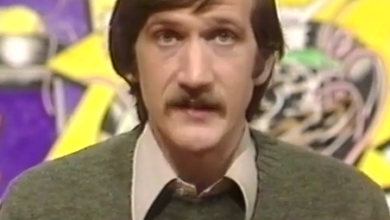
James Kelman: Celebrated Literary Voice Transforming Scottish Fiction Worldwide
A Powerful Journey of Creativity, Struggle, and Lasting Influence

James Kelman is one of the most respected figures in modern literature and a leading voice in Scottish writing. Known for his distinctive storytelling style and commitment to representing ordinary working-class experiences, he has earned international recognition through novels, short stories, essays, and plays. His work has challenged traditional literary conventions while bringing authentic Scottish voices into mainstream literature.
Table of Contents
ToggleAs a Scottish novelist and short story writer, Kelman has spent decades shaping contemporary fiction through his unique approach to language and character development. While some of his works sparked controversy because of their use of regional dialect and realistic language, they also received critical acclaim and prestigious awards. His literary legacy continues to inspire readers, writers, and scholars around the world.
Quick Bio
| Field | Details |
|---|---|
| Full Name | James Alexander Kelman |
| Date of Birth | 9 June 1946 |
| Age | 80 (as of 2026) |
| Birthplace | Glasgow, Scotland |
| Nationality | Scottish |
| Profession | Novelist, Short Story Writer, Essayist, Playwright |
| Famous For | Winning the Booker Prize for How Late It Was, How Late |
| Spouse | Marie Connors |
| Children | Emma Kelman and Laura Kelman |
| Languages | English and Scots-influenced English |
Early Life and Family Background
James Kelman was born on 9 June 1946 in Glasgow, Scotland. He grew up in a working-class family and spent much of his childhood in Glasgow communities that later became important influences on his writing. The social realities and everyday experiences he witnessed during his early years would eventually form the foundation of many of his literary works.
Growing up in a modest environment gave Kelman a deep understanding of ordinary people’s struggles and aspirations. Rather than focusing on elite society, he developed a strong interest in portraying the lives of working-class individuals. This perspective would later distinguish him from many contemporary writers and help establish his reputation as an authentic literary voice.
Education and Intellectual Development
Kelman attended Greenfield School and Stonedyke School before continuing his studies at Hyndland School in Glasgow. Although his educational journey followed a different path from many traditional literary figures, he remained deeply interested in reading, language, and culture throughout his life.
Later, he studied English and Philosophy at the University of Strathclyde. His exposure to literature, philosophical ideas, and social issues expanded his intellectual horizons and influenced his approach to storytelling. These experiences helped him develop the thoughtful and reflective writing style that would characterize his future work.
The Beginning of His Writing Career
James Kelman’s journey as a writer began during the late 1960s. At a time when Scottish literature was often dominated by conventional voices, he sought to create stories that reflected the realities of everyday life. His commitment to authenticity quickly became one of his defining characteristics.
His first published collection, An Old Pub Near the Angel, appeared in 1973. This publication marked the beginning of a remarkable literary career. Through short stories and later novels, Kelman gradually gained recognition for his ability to capture human emotions, social struggles, and personal experiences with honesty and precision.
Career Timeline
| Year | Career Milestone |
| 1946 | Born in Glasgow, Scotland |
| 1969 | Married Marie Connors |
| 1973 | Published An Old Pub Near the Angel |
| 1984 | Published The Busconductor Hines |
| 1985 | Published A Chancer |
| 1989 | Published A Disaffection |
| 1994 | Won the Booker Prize |
| 1998 | Named Scottish Writer of the Year |
| 2008 | Published Kieron Smith, Boy |
| 2024 | Received Saltire Society Lifetime Achievement Award |
Rise to Literary Prominence
Kelman’s breakthrough arrived with the publication of A Disaffection in 1989. The novel attracted widespread attention and demonstrated his ability to combine literary innovation with compelling storytelling. Critics praised his realistic portrayal of characters and his willingness to challenge established literary norms.
His international reputation reached new heights in 1994 when How Late It Was, How Late won the Booker Prize. While the novel generated debate because of its language and style, it also showcased the power of authentic storytelling. The award established Kelman as one of the most significant contemporary authors of his generation.
Major Literary Works
Notable Novels
James Kelman has written several influential novels that have earned critical acclaim. Among his most recognized works are The Busconductor Hines, A Chancer, A Disaffection, How Late It Was, How Late, Translated Accounts, You Have to Be Careful in the Land of the Free, Kieron Smith, Boy, Mo Said She Was Quirky, and Dirt Road.
These novels explore themes such as identity, freedom, social class, personal responsibility, and human resilience. Through richly developed characters and realistic dialogue, Kelman creates narratives that resonate with readers across different cultures and backgrounds.
Short Story Collections
As a Scottish novelist and short story writer, Kelman has also achieved remarkable success in the short-story format. Collections such as Not Not While the Giro, Greyhound for Breakfast, The Burn, and The Good Times demonstrate his mastery of concise and impactful storytelling.
His short stories often focus on ordinary individuals facing everyday challenges. Despite their simplicity on the surface, these narratives frequently contain profound insights into human behavior, relationships, and society.
Writing Style and Literary Influence
One of the most distinctive aspects of James Kelman’s work is his use of authentic Scottish speech patterns. Rather than adapting his language to fit conventional literary expectations, he embraced the voices and rhythms of real people. This decision helped create a unique literary identity that set him apart from many of his contemporaries.
His writing is also known for stream-of-consciousness narration and close attention to character psychology. By presenting events from the perspective of ordinary individuals, Kelman allows readers to experience the world through their thoughts, emotions, and struggles. This approach has influenced numerous writers and contributed significantly to modern Scottish literature.
Personal Life
James Kelman married Marie Connors in 1969, and the couple has remained an important part of each other’s lives for many years. Together they have two daughters, Emma and Laura. Despite his public success, Kelman has generally maintained a private family life.
Family has played an important role throughout his journey. While much public attention focuses on his literary achievements, his personal life reflects stability, dedication, and long-term commitment. His ability to balance family responsibilities with a demanding writing career has contributed to his enduring success.
Awards and Achievements
Throughout his career, Kelman has received numerous honors recognizing his contribution to literature. His Booker Prize victory remains one of the most significant achievements, but it is only one part of a long list of accomplishments.
Additional recognition includes the James Tait Black Memorial Prize, Scottish Writer of the Year award, Saltire Award, Scottish Arts Council Book of the Year, and the Saltire Society Lifetime Achievement Award. These honors reflect both the quality of his work and his lasting impact on the literary world.
Legacy and Cultural Impact
James Kelman’s influence extends far beyond his published books. He helped broaden the representation of working-class voices in literature and encouraged future generations of writers to embrace authenticity in their storytelling.
His contributions have had a lasting effect on Scottish literature and international fiction. Many contemporary authors cite his work as an inspiration, and scholars continue to study his innovative use of language and narrative technique. His legacy remains firmly established as one of the most important literary figures of modern Scotland.
Conclusion
James Kelman’s life and career demonstrate the power of authentic storytelling and artistic determination. From his early years in Glasgow to his recognition as an internationally acclaimed author, he has remained committed to representing real people and real experiences through literature.
As a Scottish novelist and short story writer, Kelman transformed the literary landscape by challenging conventions and celebrating everyday voices. His achievements, influence, and dedication to creative expression ensure that his work will continue to inspire readers and writers for generations to come.
FAQ
Who is James Kelman?
James Kelman is a Scottish novelist, short story writer, essayist, and playwright.
When was James Kelman born?
He was born on 9 June 1946.
Where was James Kelman born?
He was born in Glasgow, Scotland.
Who is James Kelman’s spouse?
James Kelman is married to Marie Connors.
Does James Kelman have children?
Yes, he has two daughters, Emma and Laura.
What is James Kelman famous for?
He is best known for winning the Booker Prize for How Late It Was, How Late.
What nationality is James Kelman?
He is Scottish.
What kind of books does James Kelman write?
He writes literary fiction, short stories, essays, and plays.
What was James Kelman’s breakthrough novel?
A Disaffection is widely regarded as his breakthrough novel.
Which major award did James Kelman win in 1994?
He won the Booker Prize in 1994.
Why is James Kelman important in literature?
He helped bring authentic working-class Scottish voices into modern literature.